
Understanding Halal Certification in Japan: A Traveler's Perspective


Introduction to Halal Certification in Japan
Traveling to Japan offers a rich tapestry of cultural experiences, but for Muslim travelers, it also raises questions about dietary practices, particularly Halal food. Understanding Halal certification in Japan can greatly enhance your travel experience, ensuring that you enjoy the local cuisine without compromising your dietary restrictions.

What is Halal Certification?
Halal certification is a process that ensures food and other products meet Islamic dietary laws. In Islamic terms, "Halal" means permissible, and a certified Halal product complies with these religious guidelines. This certification covers everything from sourcing and preparation to handling and packaging.
For Muslim travelers, this certification provides assurance that the food they consume is free from any non-permissible ingredients and has been prepared according to Islamic law. This is particularly important in countries where Halal food is not the norm, such as Japan.
The Growth of Halal in Japan
Japan has seen a growing interest in Halal certification due to an increase in Muslim tourists and residents. Many restaurants and food producers are now seeking Halal certification to cater to this demographic. The demand for Halal food options has led to a rise in certified establishments, especially in major cities like Tokyo and Osaka.
How Halal Certification Works in Japan
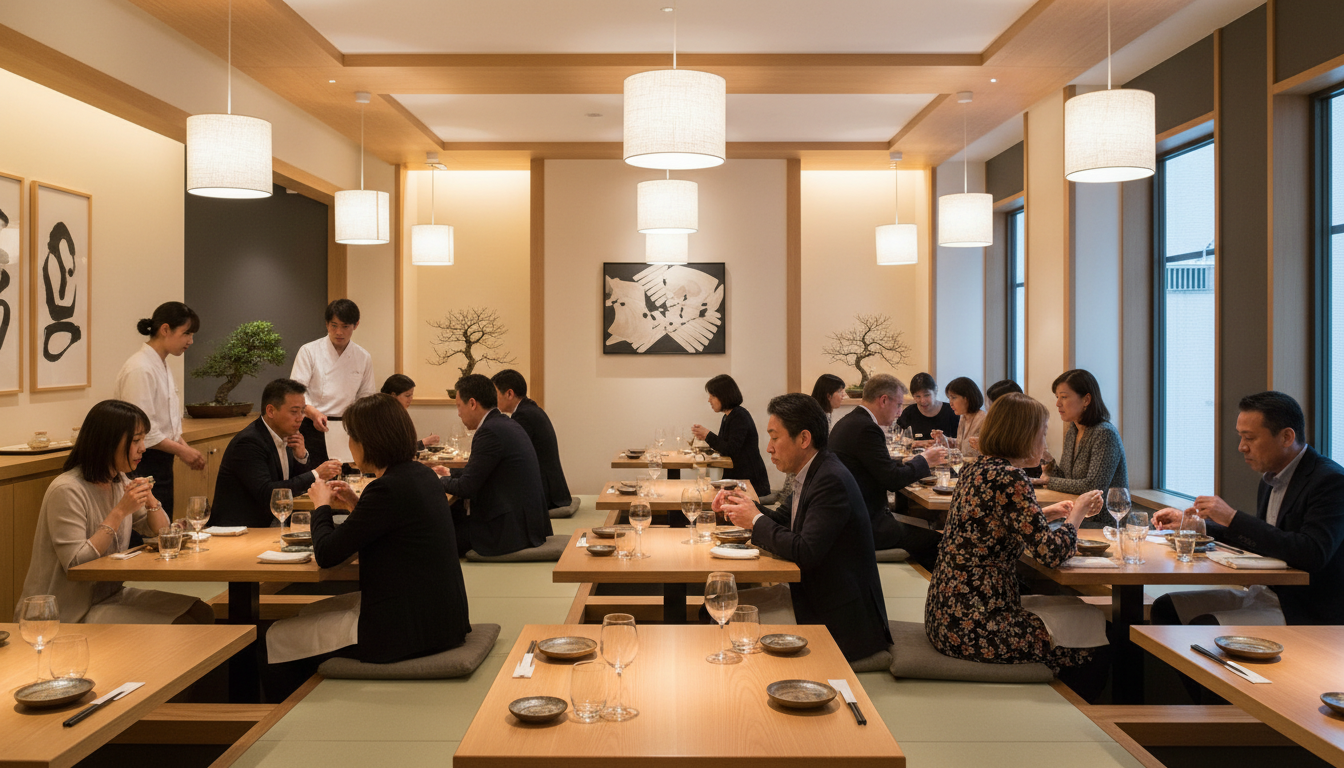
In Japan, several organizations provide Halal certification. These organizations inspect and verify that the food production processes meet Islamic dietary standards. The certification process involves thorough checks, including ingredient sourcing, preparation methods, and kitchen hygiene standards.
Travelers can often find Halal certified products in supermarkets and convenience stores, marked with a certification logo. This logo is a reliable indicator that the product is safe for consumption according to Halal standards.
Finding Halal Food in Japan
Locating Halal food in Japan can be simplified with the use of online resources and mobile apps. Many platforms list Halal-certified restaurants and stores, providing reviews and location details. These resources are invaluable for planning meals and ensuring that dietary needs are met during your travels.
Challenges and Considerations
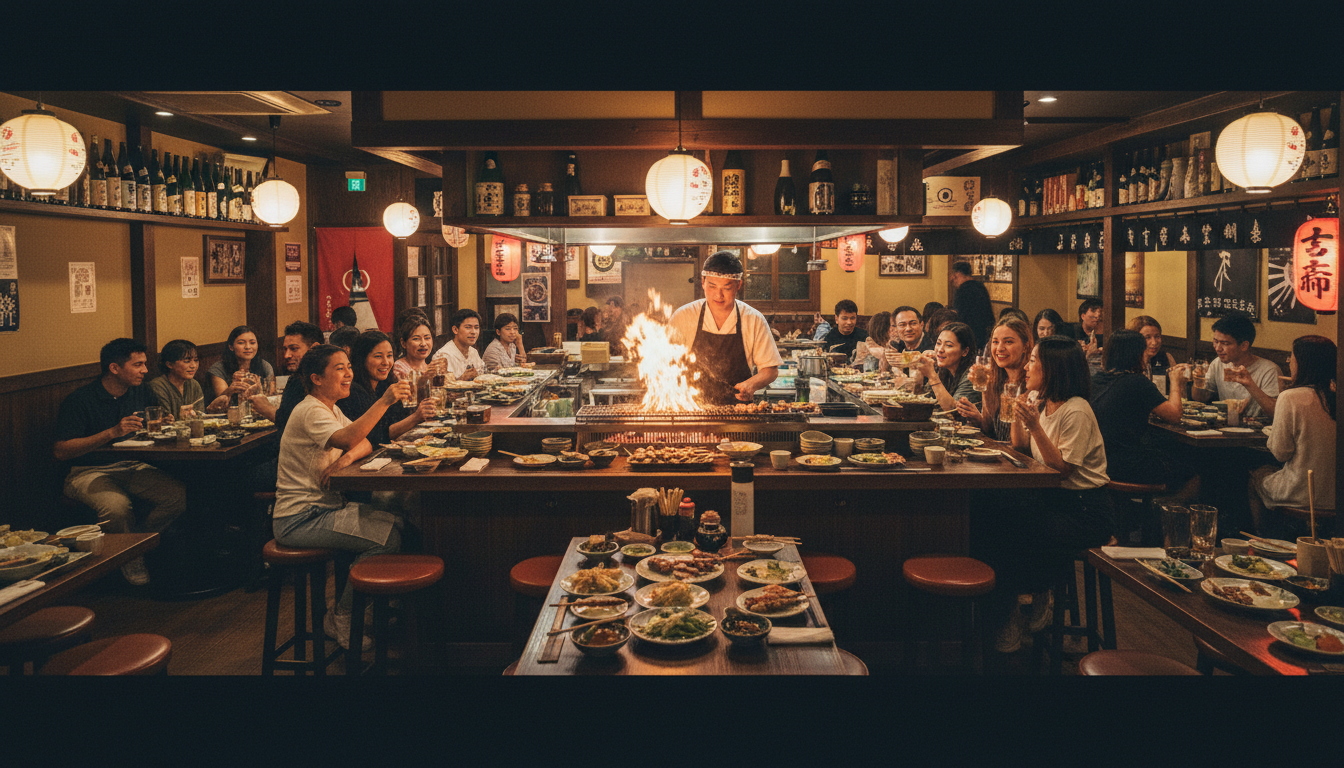
Despite the growing availability of Halal options, travelers may still face challenges. Language barriers and varying standards of certification can sometimes create confusion. It is advisable to familiarize yourself with common phrases in Japanese related to Halal food and to carry a translation app for assistance.
Moreover, while many places strive to accommodate Halal requirements, cross-contamination can occur. It’s always a good idea to communicate your needs clearly to restaurant staff to ensure that your food is prepared appropriately.
Conclusion
Understanding Halal certification in Japan is crucial for Muslim travelers seeking to enjoy the local cuisine without compromising their dietary beliefs. With the increasing availability of certified options and the right resources, you can explore Japan's culinary delights with confidence and peace of mind.