
Navigating Tokyo’s Public Transport: A Guide for Muslim Travelers


As a bustling metropolis, Tokyo offers a complex yet efficient public transportation system that can be both exciting and daunting for first-time visitors. For Muslim travelers, navigating this intricate network with specific needs in mind might seem challenging. Fear not, as this guide will equip you with the essential tips and tricks to make your journey seamless and enjoyable.
Understanding Tokyo’s Public Transport System
Tokyo boasts one of the most comprehensive public transport systems in the world, comprising trains, subways, and buses. The two main operators are Japan Railways (JR) and various private companies. The JR Yamanote Line is a popular choice, circling the city and connecting major districts.
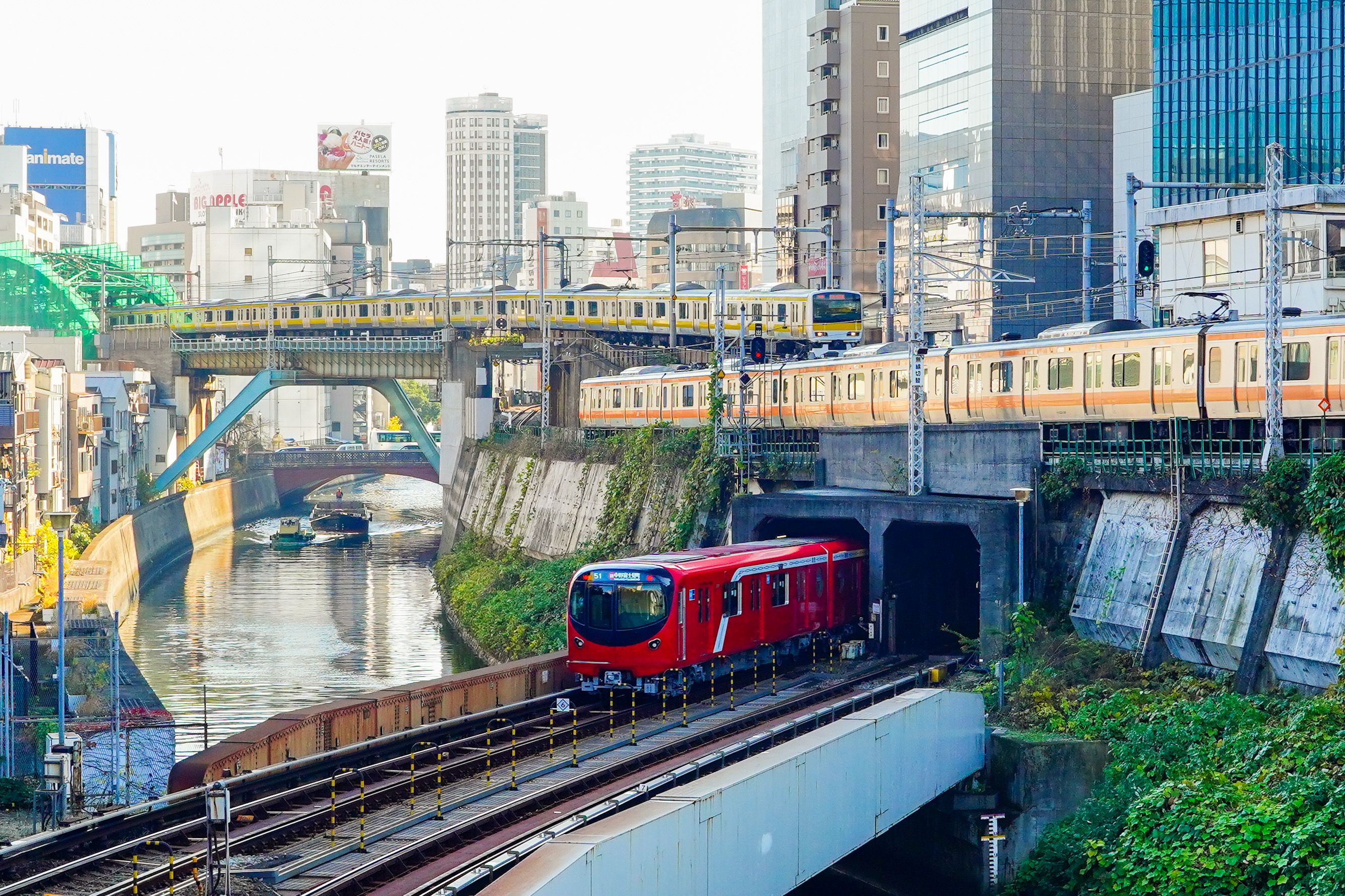
Subway lines, operated by Tokyo Metro and Toei Subway, provide extensive coverage. Understanding the color-coded lines and station names in both Japanese and English will be immensely helpful. Consider purchasing a prepaid Suica or Pasmo card for easy access across different transport modes.
Halal-Friendly Facilities
Traveling as a Muslim in Tokyo is becoming increasingly convenient. Many stations and shopping centers now offer prayer rooms. Tokyo Station, Shinjuku Station, and Narita Airport are equipped with such facilities. It is advisable to have a portable prayer mat and compass app to find the Qibla direction.

When it comes to halal food, options are expanding. Areas like Shibuya, Shinjuku, and Asakusa have restaurants offering halal-certified meals. Apps like Halal Navi can guide you to nearby halal-friendly eateries and grocery stores.
Travel Tips for Muslim Visitors
Here are some tips to ensure a comfortable journey:
- Plan Ahead: Use apps like Google Maps or Hyperdia to plan your routes. These apps provide real-time updates and alternative routes in case of delays.
- Respect Local Customs: While Tokyo is a diverse city, being mindful of local etiquette is important. Dress modestly and be respectful in public spaces.
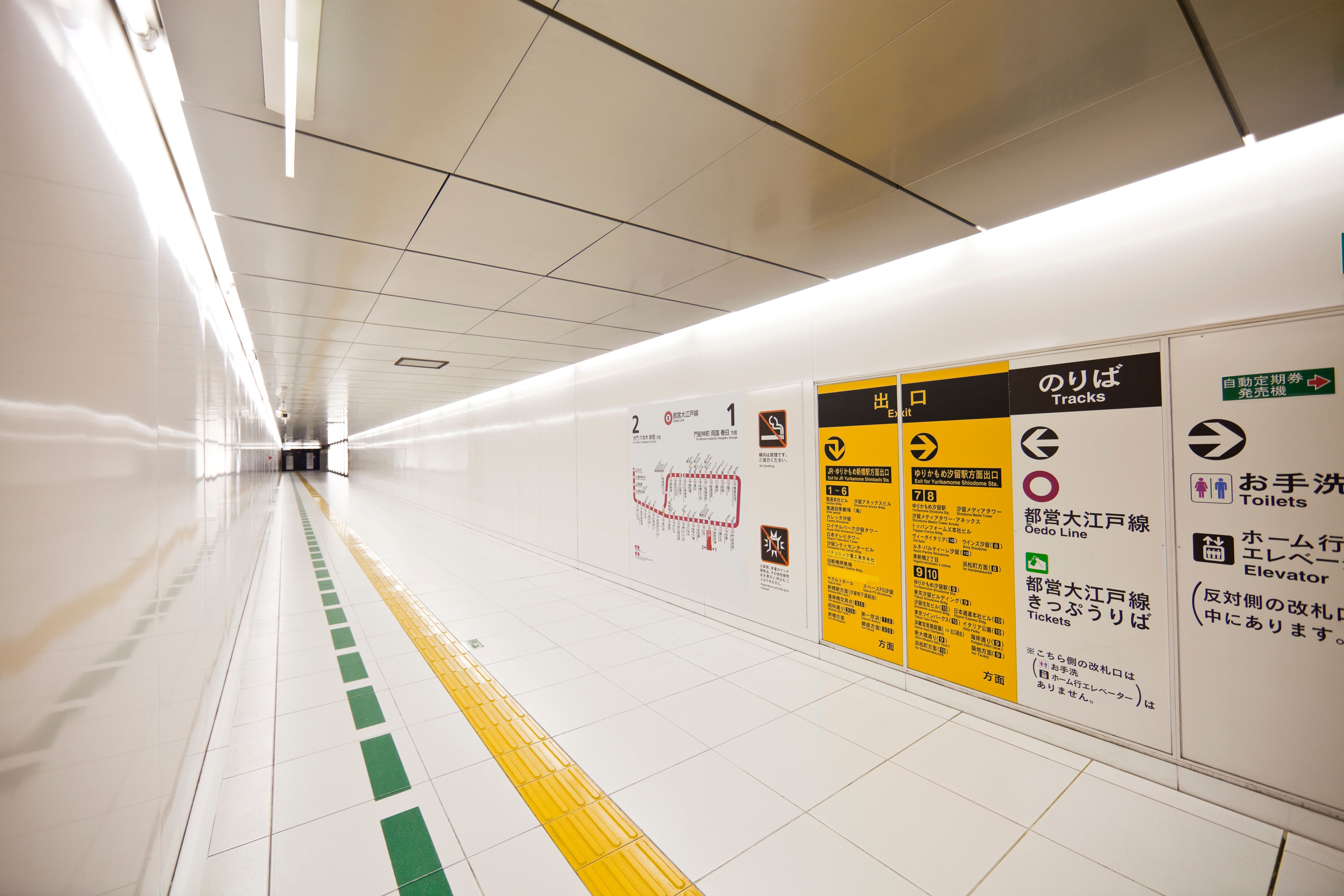
- Stay Informed: Keep an eye on train schedules and station announcements. Most signs and announcements are in English, but having a translation app can be handy.
Emergency Preparedness
Tokyo is generally safe, but it’s always best to be prepared. Know the emergency numbers: 110 for police and 119 for ambulance and fire services. Most stations and public areas have emergency buttons and information centers for assistance.
Travel insurance is highly recommended to cover unexpected events. Keeping a list of embassy contacts and local friends can also provide peace of mind.
Conclusion
Navigating Tokyo's public transport doesn't have to be overwhelming. With a bit of planning and the right resources, Muslim travelers can enjoy all that this vibrant city has to offer. Embrace the adventure, and let Tokyo's efficient transport system guide you through an unforgettable journey.