
Navigating Japan's Public Transport as a Halal Traveler


Traveling to Japan as a Muslim can be an exciting adventure, but it also requires some preparation, especially when it comes to food and transportation. Japan's public transport system is renowned for its efficiency and coverage, making it a convenient option to explore the country. However, navigating it as a halal traveler can pose unique challenges. This guide will help you make the most out of your journey.
Understanding Japan's Public Transport System
The Japanese public transport network is vast, covering everything from buses and trains to subways and ferries. Understanding the basic structure will help you get around with ease. The two main train systems are the JR (Japan Railways) and various private lines. While JR covers extensive routes, private lines may offer more direct access to certain areas.
Before you travel, consider purchasing a JR Pass if you plan to make long-distance trips. This can be a cost-effective way to travel across the country. For city travel, IC cards like Suica or Pasmo are convenient for quick access to trains and buses.

Finding Halal Food Options on the Go
One of the biggest challenges for halal travelers is finding suitable food. Thankfully, Japan is becoming more accommodating, with an increasing number of halal-certified restaurants, particularly in major cities like Tokyo and Osaka. Apps like Halal Navi can be invaluable for locating nearby halal eateries.
For those on the move, convenience stores often offer vegetarian options that can suffice in a pinch. Look for onigiri (rice balls) with ingredients like seaweed or pickled plum. However, always check the labels for any non-halal ingredients.

Planning Your Commute
When planning your route, consider the timing of your meals and prayers. Many train stations have prayer rooms, especially in larger cities and airports, making it easier to maintain your religious practices. Check online resources or station maps to locate these facilities ahead of time.
Additionally, Japan's trains are known for punctuality. Be prepared to board and disembark quickly, as trains stop for only a short period at each station. Keeping a schedule on hand will help you plan your day efficiently.

Etiquette and Cultural Considerations
Japan is known for its rich culture and etiquette, which extends to its public transport. While traveling, be mindful of noise levels and avoid talking on your phone. Eating on public transport is generally frowned upon, except on long-distance trains like the Shinkansen.
Respecting local customs will enhance your travel experience. Simple gestures like offering a seat to someone in need or thanking the staff can make a big difference in your interactions.
Utilizing Technology to Ease Travel
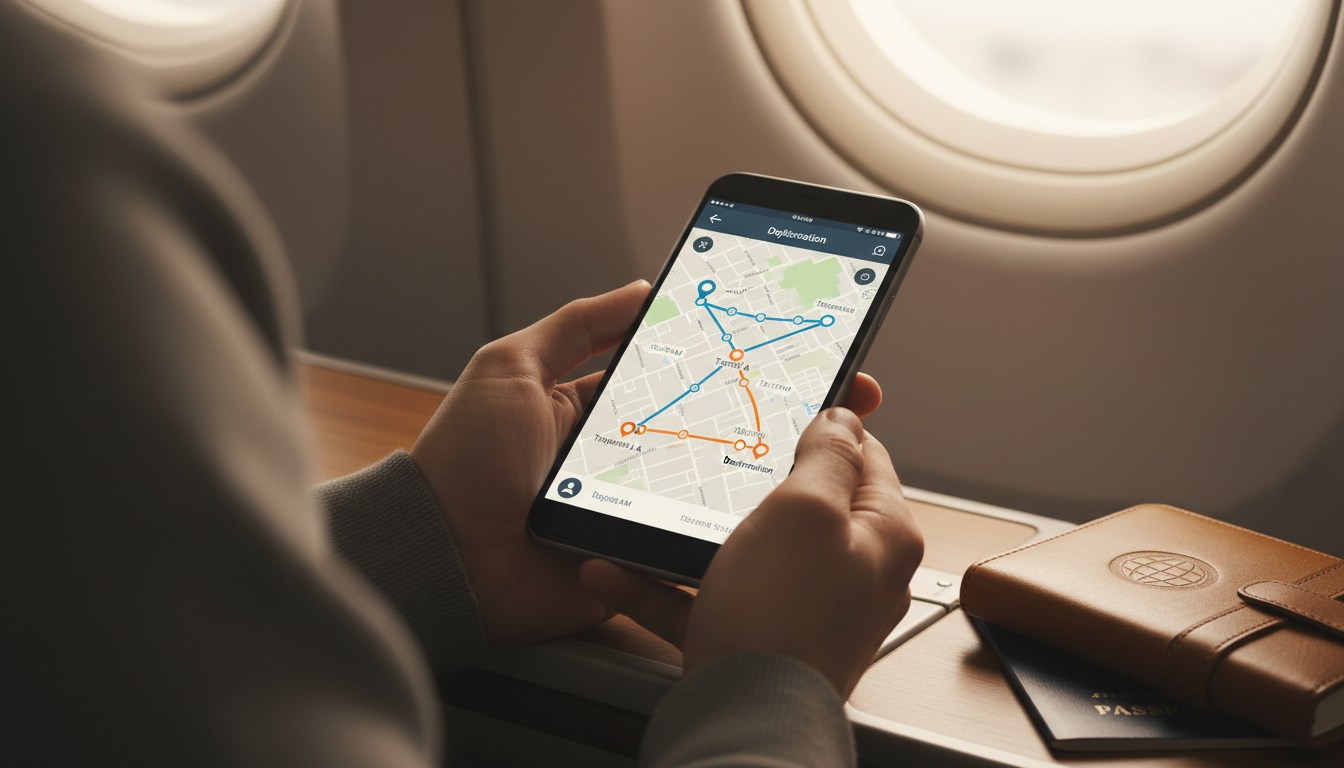
Technology can greatly assist in navigating Japan's public transport. Apps like Hyperdia or Google Maps offer detailed train schedules and route planning. Language barriers can be a concern, but many apps offer English versions to help guide you.
Consider downloading a translation app to help with any language challenges. While many signs are in English, smaller stations may not have bilingual signage, so being prepared can ease any confusion.
Conclusion
Traveling through Japan as a halal traveler can be a seamless experience with the right preparation and resources. By understanding the public transport system, finding halal food options, and respecting local customs, you can enjoy all that Japan has to offer without compromising your beliefs. Embrace the journey and enjoy the unique blend of tradition and modernity that Japan provides.