
Myths About Halal Travel in Japan: What’s True and What’s Not


Understanding Halal Travel in Japan
Japan is a captivating destination, rich in culture and history, but there are many myths surrounding halal travel in this beautiful country. These misconceptions can sometimes deter Muslim travelers from visiting. Let's explore what's true and what's not, making your journey a more fulfilling experience.
Myth 1: Halal Food is Hard to Find
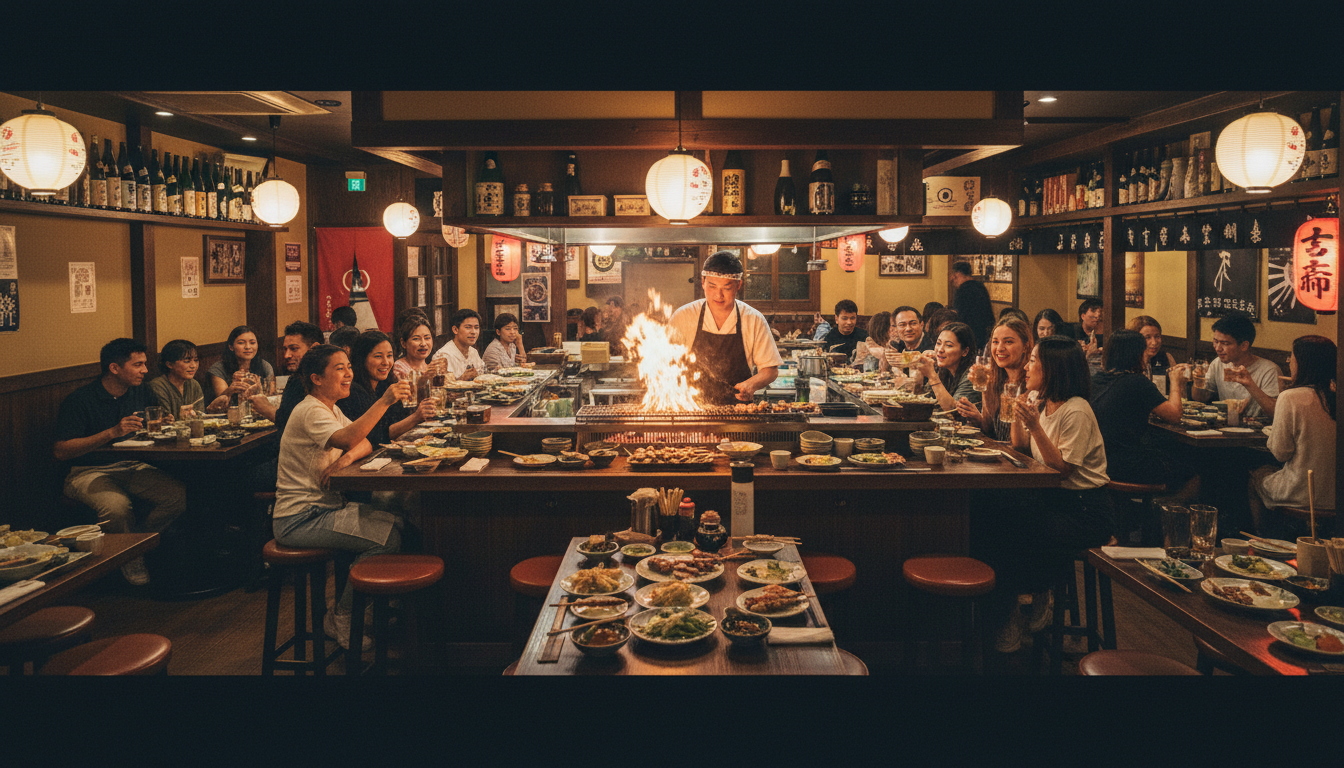
One common myth is that finding halal food in Japan is nearly impossible. While it might have been a challenge years ago, the situation has dramatically improved. Major cities like Tokyo, Osaka, and Kyoto now offer a variety of halal dining options. From traditional Japanese dishes to international cuisine, halal-certified restaurants are increasingly common.
Many convenience stores and supermarkets also stock halal products, and some even have dedicated sections. It's important to look for the halal certification mark to ensure compliance with dietary laws. Online platforms can also help you locate halal eateries with ease.
Myth 2: Limited Prayer Facilities
Another myth suggests a scarcity of prayer facilities in Japan. While it's true that Japan is not predominantly a Muslim country, mosques and prayer rooms are available in major urban centers and popular tourist areas. Narita and Kansai International Airports, for example, offer prayer rooms for Muslim travelers.
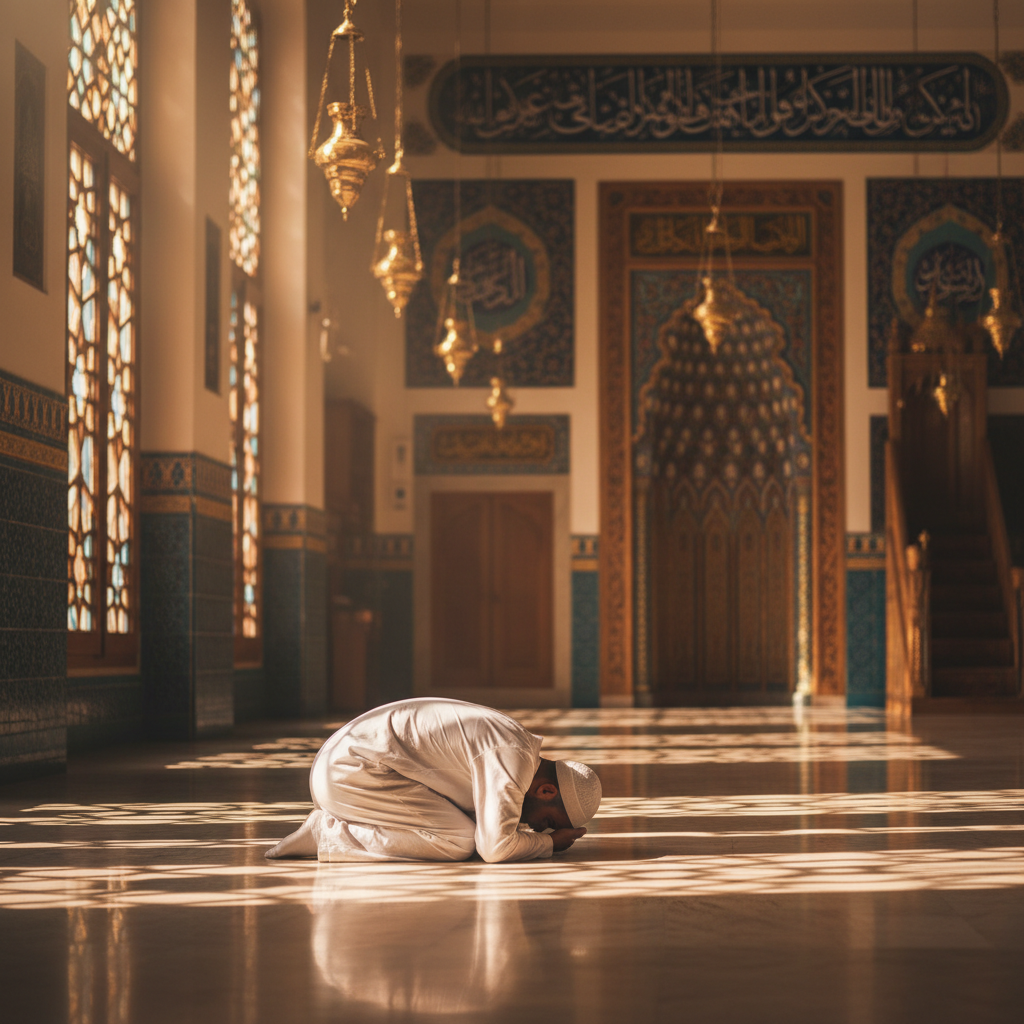
Additionally, many hotels and shopping centers are beginning to offer prayer spaces, reflecting Japan's growing awareness and acceptance of diverse cultural needs. It’s always a good idea to plan ahead and identify nearby facilities before you travel.
Myth 3: Language Barriers Pose a Problem
Language barriers can be a concern for any traveler, but they are often exaggerated when it comes to halal travel in Japan. Many Japanese people, especially in the hospitality sector, speak basic English. Moreover, there are numerous apps and resources available to assist with translation and communication.

Restaurants offering halal food often have menus in English and staff who are familiar with dietary requirements. It's helpful to learn a few basic Japanese phrases, but you will find that people are generally accommodating and eager to assist.
Myth 4: Lack of Cultural Sensitivity
Some travelers worry about a lack of cultural sensitivity toward Muslims in Japan. However, Japan is known for its polite and respectful society. The country is increasingly welcoming to Muslim travelers, with many businesses and tourist attractions catering specifically to their needs.
From accommodating dietary restrictions to providing prayer spaces, Japan's hospitality industry is making strides to ensure a comfortable experience for Muslim visitors.
Planning a Halal-Friendly Trip
To make the most of your trip, consider using travel agencies that specialize in halal tourism. These agencies can assist in tailoring your itinerary to include halal-friendly accommodations and activities.
- Research halal restaurants and grocery stores in advance.
- Identify nearby mosques and prayer rooms.
- Use apps that provide translation and halal location services.
By dispelling these myths and preparing thoughtfully, you can enjoy a rich and fulfilling travel experience in Japan.