
Debunking Myths About Halal Travel in Japan


Traveling to Japan is a dream for many, but for Muslim travelers, it can come with a few misconceptions. Let's debunk some common myths about halal travel in Japan and discover the reality of exploring this beautiful country as a Muslim tourist.
Myth 1: Halal Food Is Hard to Find
One of the biggest concerns for Muslim travelers is the availability of halal food. Many believe that Japan, with its distinctive cuisine, lacks options for halal dining. However, this is far from the truth. In recent years, Japan has made significant progress in catering to Muslim visitors. Cities like Tokyo, Osaka, and Kyoto boast a growing number of halal-certified restaurants.
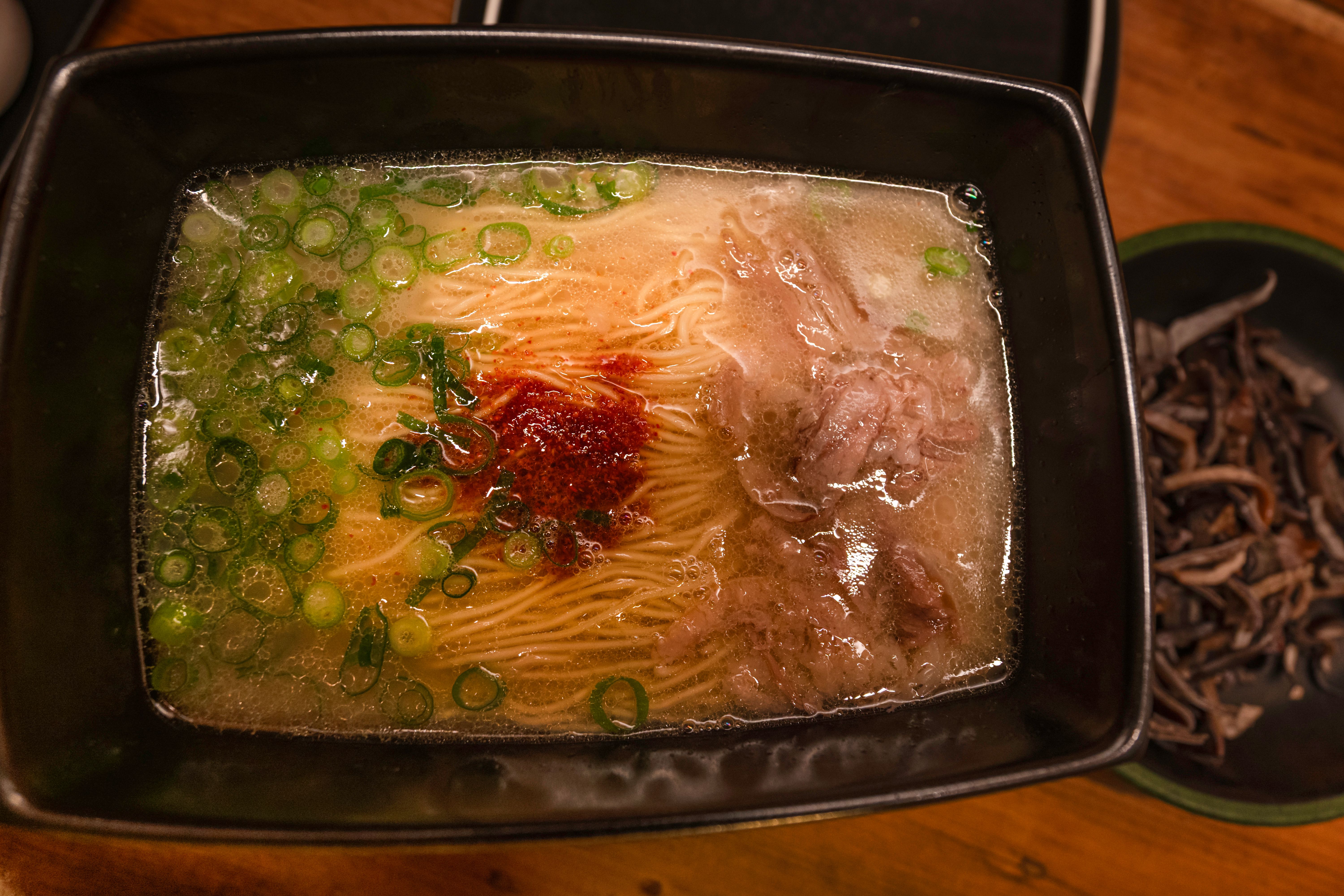
Moreover, many international food chains in Japan offer halal options. You can also find supermarkets with halal-certified ingredients, making it easier to prepare your own meals if needed.
Halal Food Apps and Guides
Several apps and online guides can assist you in finding halal food locations across Japan. These resources are continually updated to provide the most accurate information, ensuring a stress-free dining experience.
Myth 2: Limited Prayer Facilities
Another common myth is the scarcity of prayer facilities. While it's true that mosques are not as prevalent in Japan as in countries with larger Muslim populations, the number of prayer facilities is increasing. Many airports, shopping centers, and popular tourist spots now provide prayer rooms.

Additionally, some hotels are accommodating Muslim guests by providing prayer mats and Qibla directions in rooms. This growing awareness makes it easier for Muslim travelers to observe their faith while enjoying their trip.
Community Support and Resources
The local Muslim communities in Japan are also a valuable resource. They often share information about prayer facilities and can offer support to visitors looking for places to pray.
Myth 3: Language Barrier
Language is often perceived as a barrier when traveling to Japan, but this challenge is not unique to Muslim travelers. English signage has become more common, especially in tourist areas and transportation hubs. Additionally, many young Japanese people can communicate in English at a basic level.
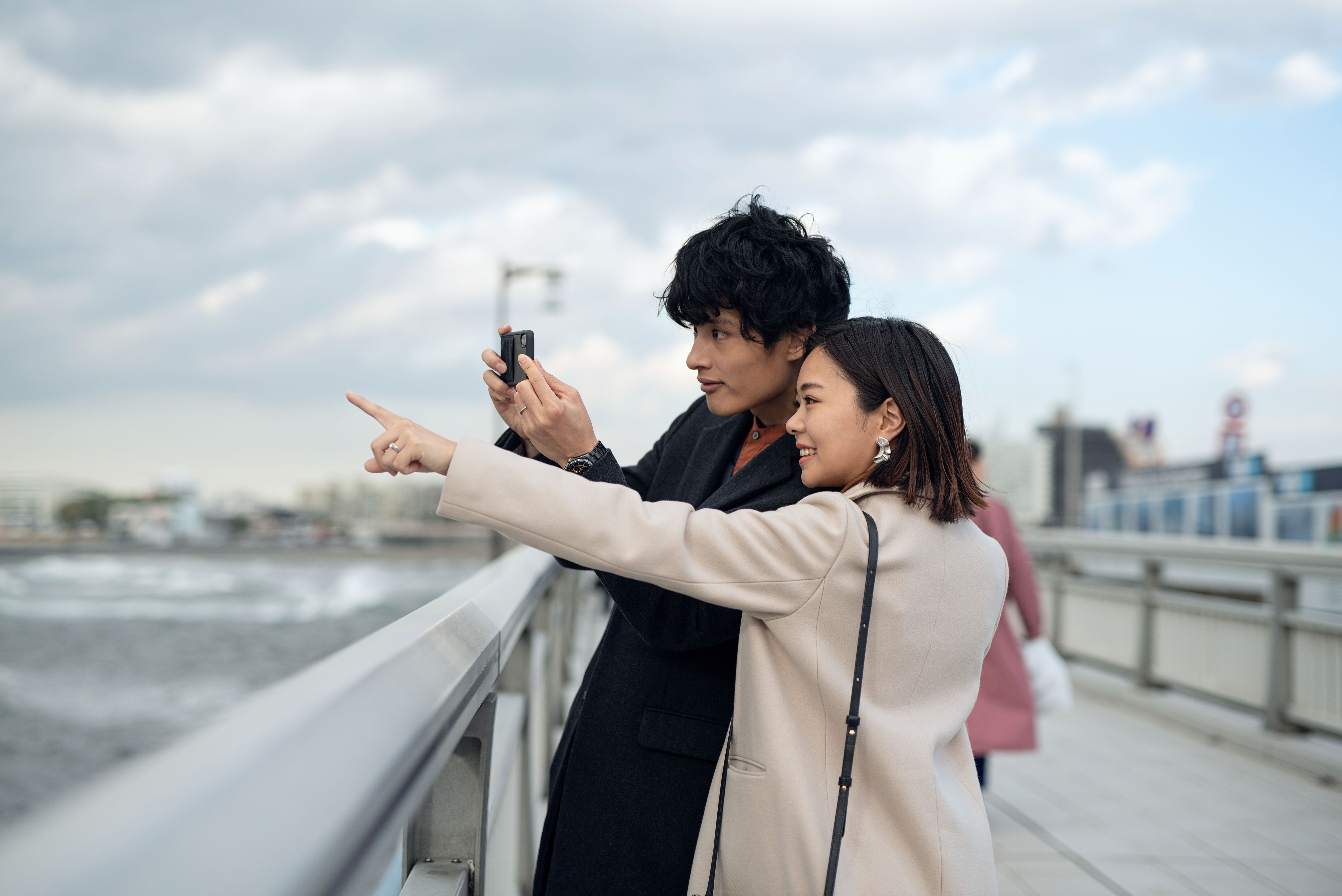
Using translation apps can further ease communication, helping you navigate and enjoy your travel experience without stress.
Embracing Cultural Exchange
Engaging with locals can enrich your travel experience. Many Japanese people are curious and eager to learn about different cultures, making it a rewarding opportunity for cultural exchange.
Final Thoughts
Halal travel in Japan is becoming increasingly accessible, with numerous resources available to ensure a comfortable and enjoyable trip. By debunking these myths, we hope to encourage more Muslim travelers to explore the wonders of Japan with confidence.
Remember, thorough planning and utilizing available resources can turn your dream of visiting Japan into a reality, filled with unforgettable experiences and cultural insights.