
Comparing Halal Travel Services in Tokyo and Osaka


Introduction to Halal Travel in Japan
As Japan continues to rise as a popular travel destination, it's becoming increasingly important for the country to cater to diverse traveler needs. Among these, Halal travel services are gaining significant attention, especially in major cities like Tokyo and Osaka. These cities offer unique experiences for Muslim travelers, ensuring both cultural exploration and religious considerations are met.

Halal Dining Options
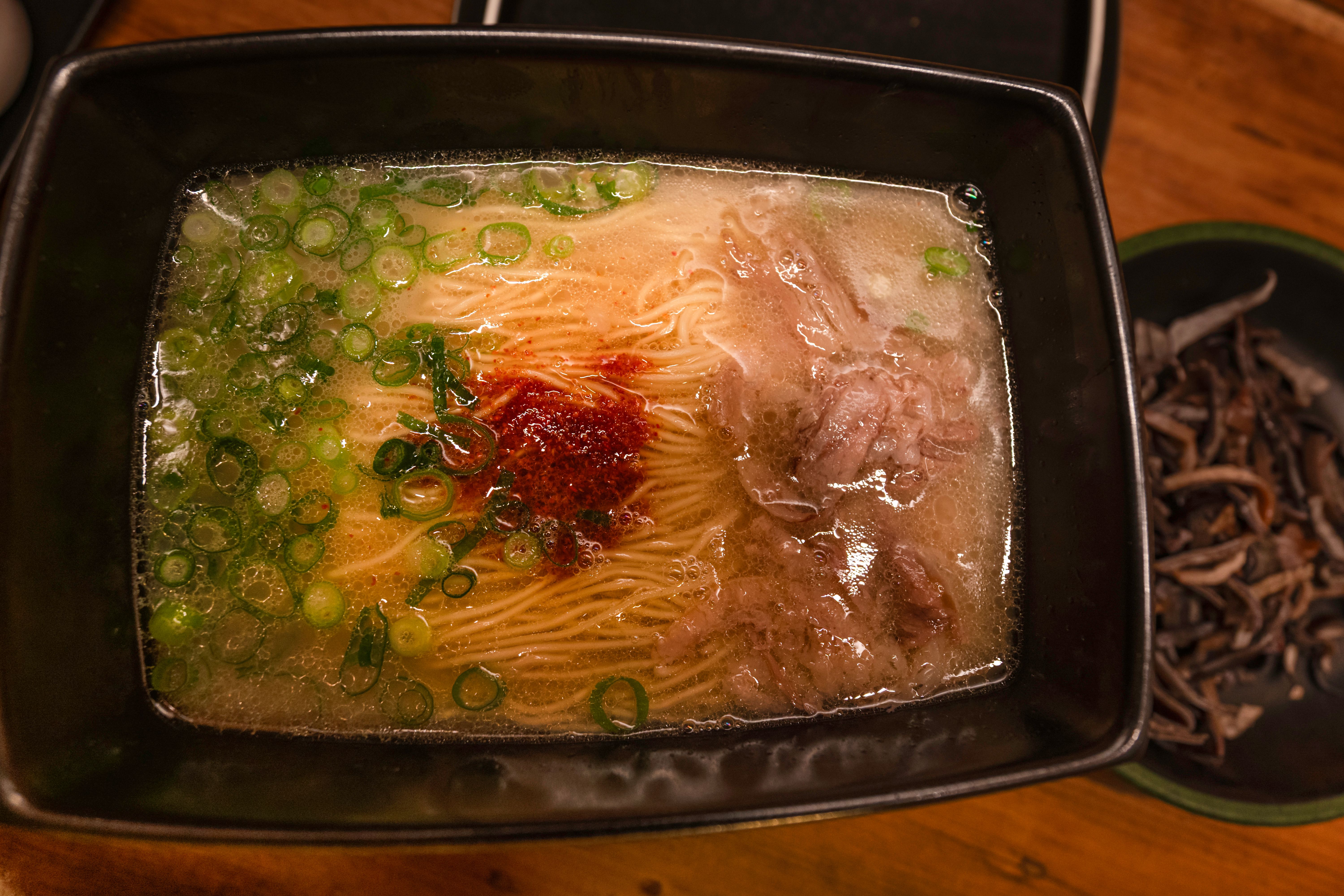
When it comes to dining, both Tokyo and Osaka offer a variety of Halal-certified restaurants. In Tokyo, the bustling districts of Shibuya and Shinjuku are home to numerous eateries serving authentic Japanese cuisine that adheres to Halal standards. Many of these restaurants prominently display their Halal certifications, ensuring Muslim travelers can dine with peace of mind.
Osaka, on the other hand, is known for its street food culture. While finding Halal street food can be challenging, the city has seen a rise in Halal-friendly establishments. Areas like Namba and Dotonbori offer several options where travelers can indulge in traditional Osaka delicacies without compromising their dietary needs.
Prayer Facilities
Ensuring access to prayer facilities is a critical aspect of Halal travel. Tokyo boasts several mosques and prayer rooms scattered throughout the city. The Tokyo Camii, located in the Shibuya district, is not only the largest mosque in Japan but also a cultural center offering insights into Islamic culture.
In Osaka, while the number of mosques is fewer compared to Tokyo, the city still provides accessible prayer rooms. These can often be found in major shopping centers and airports, such as Kansai International Airport, making it convenient for travelers to maintain their religious practices.

Accommodation Options
Tokyo offers a wide range of accommodations catering to Muslim travelers. Many hotels now provide Halal meals, prayer mats, and directions to the nearest mosque or prayer room. Additionally, several establishments have trained their staff to understand and respect Islamic practices.
Osaka also offers similar services, with an increasing number of hotels providing Halal-certified meals and prayer facilities. The city's hospitality industry is rapidly adapting to the needs of Muslim travelers, ensuring a comfortable stay for all guests.

Conclusion
Both Tokyo and Osaka are making significant strides in providing comprehensive Halal travel services. While Tokyo might offer a more extensive range of options due to its size and international influence, Osaka is not far behind with its unique offerings and dedication to accommodating Muslim travelers.
Whether you are drawn to Tokyo's vibrant cityscape or Osaka's culinary delights, both cities ensure that your travel experience is inclusive and respectful of your religious needs. As Japan continues to evolve as a global travel destination, the future of Halal travel in the country looks promising and exciting.